
Common Installation Errors in Industrial Fastening

Updated: Sep 11
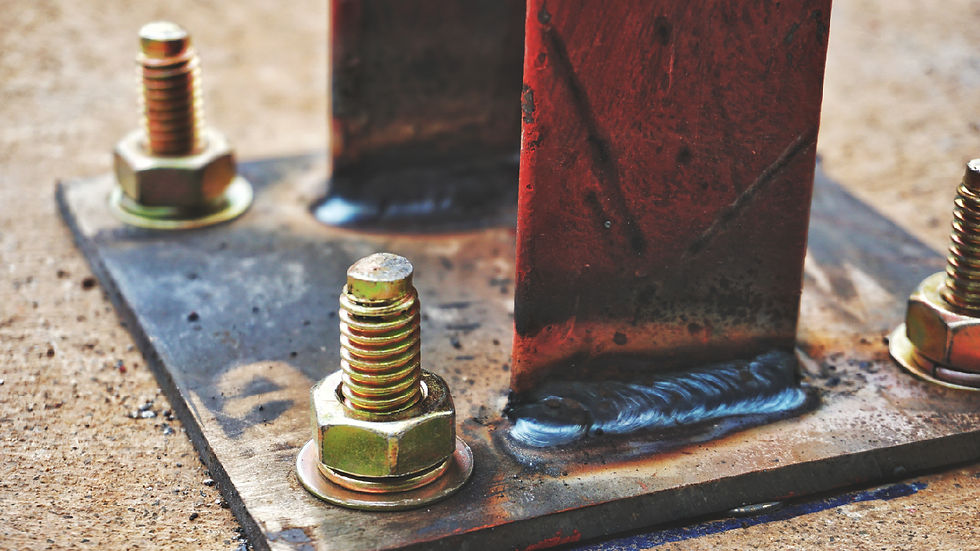
In industrial environments, success often depends on the smallest components.
Bolts, nuts, screws, and anchors—collectively known as industrial fasteners—hold together everything from heavy machinery and pipelines to infrastructure and manufacturing systems. Yet, despite their simplicity, fastening failures remain one of the most common and costly issues across industries.
What’s surprising is this:
Most fastener failures are not caused by poor quality—but by improper installation.
In fact, studies show that a large percentage of bolt-related failures stem from installation errors rather than material defects.
For businesses, this means that even high-quality fasteners can fail if installed incorrectly—leading to downtime, safety risks, and increased operational costs.
Let’s explore the most common installation errors, the real-world challenges industries face today, and how getting fastening right ultimately benefits end consumers.
Why Installation Matters More Than You Think
Fasteners work by creating clamping force (preload) that holds components together. If this force is incorrect—even slightly—the entire joint can fail.
Improper installation can lead to:
● Equipment breakdowns
● Structural failures
● Safety hazards
● Increased maintenance costs
In critical industries like construction, automotive, and manufacturing, fastening is not just a technical task—it’s a reliability and safety function.
Common Installation Errors in Industrial Fastening
Let’s break down the most frequent mistakes seen across industrial environments.
1. Incorrect Torque Application: This is the most common and critical error.
● Under-tightening leads to loose joints, vibration issues, and eventual failure
● Over-tightening causes thread damage, bolt stretching, and reduced fatigue life
Improper torque directly affects preload, which is essential for joint strength. In real-world scenarios, inconsistent torque can also lead to:
● Product recalls
● Leakage in pipelines
● Equipment malfunction
Why it happens:
● Using uncalibrated tools
● Relying on “feel” instead of specifications
● Lack of training
2. Using the Wrong Tools: Fasteners are designed to work with specific tools—and using the wrong ones can damage both the fastener and the assembly.
Examples include:
● Using incorrect driver bits
● Using drills instead of proper fastening tools
● Skipping torque wrenches
This often results in stripped threads or incomplete fastening, weakening the joint.
3. Ignoring Material Compatibility: Not all fasteners are created equal. Using the wrong material—for example, combining incompatible metals—can lead to:
● Corrosion
● Weak joints
● Premature failure
Material selection must consider:
● Load requirements
● Environmental conditions
● Chemical exposure
Ignoring this can significantly reduce the lifespan of the assembly.
4. Poor Surface Preparation: Before installation, surfaces must be:
● Clean
● Aligned
● Free from debris or oil
Contaminated or uneven surfaces reduce friction consistency, leading to incorrect torque and uneven load distribution. This seemingly small oversight often causes long-term failures.
5. Lack of Proper Preload Control: Preload is the tension created in a fastener when tightened.
· Too little preload → joint loosening
· Too much preload → material damage
Achieving the correct preload requires:
● Accurate torque
● Proper lubrication
● Controlled installation processes
Without this, fasteners cannot perform as designed.
6. Skipping Inspection and Quality Checks: Many failures occur not during installation—but after.
Skipping inspection leads to:
● Undetected loose fasteners
● Misalignment issues
● Hidden defects
In industrial environments, even a single loose fastener can halt operations.
7. Ignoring Vibration and Dynamic Loads: In real-world applications, fasteners are rarely static. Machines vibrate. Loads change. Temperatures fluctuate. Without proper locking mechanisms or design considerations:
● Fasteners loosen over time
● Micro-movements lead to fatigue failure
Fatigue and vibration are among the leading causes of long-term fastening failures .
8. Inadequate Training of Installation Teams: Even the best tools and fasteners cannot compensate for lack of skill.
Common issues include:
● Misreading torque specifications
● Incorrect installation sequences
● Poor handling practices
Human error remains a major contributor to fastening failures.
Real-Time Challenges in Industrial Fastening
Modern industries are evolving—and so are fastening challenges.
1. Increasing Automation with Human Dependency: While automation is growing, fastening still relies heavily on human intervention in many industries. This creates inconsistency and variability in installation quality.
2. Demand for Faster Production: Manufacturers are under pressure to:
● Increase output
● Reduce cycle times
This often leads to shortcuts in installation and inspection processes.
3. Complex Materials and Designs: Modern equipment uses:
● Lightweight alloys
● Composite materials
● Advanced coatings
These require precise fastening techniques, making installation more complex.
4. Cost Pressures: Businesses often focus on reducing costs, sometimes at the expense of:
● Training
● Tool calibration
● Quality control
Ironically, this leads to higher long-term costs due to failures.
5. Environmental and Sustainability Factors Exposure to:
● Moisture
● Chemicals
● Extreme temperatures
accelerates corrosion and wear, making correct installation even more critical.
Emerging Trends in Industrial Fastening
1. Smart Torque Tools and Digital Monitoring: Modern fastening tools now:
● Record torque values
● Provide real-time feedback
● Ensure consistency
This reduces human error and improves quality control.
2. Automation and Robotics: Robotic fastening systems are being adopted for:
● Precision
● Repeatability
● Speed
However, they still require proper programming and oversight.
3. Advanced Coatings and Materials: New coatings improve:
● Corrosion resistance
● Durability
● Performance in harsh environments
4. Predictive Maintenance: AI and IoT are enabling:
● Early detection of loosening
● Real-time monitoring of fastener health
This prevents unexpected failures.
5. Focus on Standardization: Industries are increasingly adopting:
● ISO
● ASTM
● DIN standards
to ensure consistency and reliability.
The Human Impact: Benefits for End Consumers
While fastening happens behind the scenes, its impact is directly felt by consumers.
· Safer Products: Properly installed fasteners ensure:
● Structural integrity
● Reduced risk of accidents
From vehicles to appliances, safety starts with reliable fastening.
· Better Product Quality: Correct installation reduces:
● Defects
● Failures
● Warranty issues
Consumers receive products that last longer and perform better.
· Lower Costs: Fewer failures mean:
● Reduced maintenance
● Lower repair costs
This translates into better pricing and value for customers.
· Reliable Performance: Whether it’s machinery, infrastructure, or consumer goods—reliable fastening ensures consistent performance.
· Sustainability
Durable fastening reduces waste by:
● Extending product life
● Minimizing replacements
This supports environmentally conscious consumption.
Conclusion:
Industrial fastening may seem like a small part of the bigger picture—but it plays a massive role in ensuring safety, efficiency, and reliability. The reality is simple:
Even the highest-quality fasteners can fail if installed incorrectly.
For businesses, the focus should not just be on selecting the right fastener—but on:
● Proper installation practices
● Skilled workforce training
● Advanced tools and technologies
● Regular inspection and maintenance
Companies like Primus India, with their expertise in fastening solutions, play a crucial role in helping industries move from reactive problem-solving to proactive reliability.
Because in the end, fastening is not just about holding things together.
It’s about holding together trust, performance, and the expectations of every customer who relies on the final product.


Comments